


To enhance the performance of cable-pull disc brakes, a combination of maintenance, component optimization, and proper adjustment is key. These systems rely on mechanical force transfer via cables, so improving efficiency, friction, and consistency directly boosts their effectiveness. Below is a detailed breakdown of actionable steps:
1. Clean and Maintain Critical Components
Contamination and debris are major enemies of brake performance, as they reduce friction between the pad and rotor.
Clean rotors and pads: Use isopropyl alcohol, brake cleaner, or degreaser to remove oil, grease, or dirt from rotors and pads. Even small amounts of lubricant (e.g., from chain oil) can cause slippage. Avoid touching rotors/pads with bare hands (skin oils contaminate them).
Remove glazing: If pads or rotors become glazed (shiny, smooth surfaces from overheating), lightly sand them with fine-grit sandpaper (120–200 grit) to restore friction.
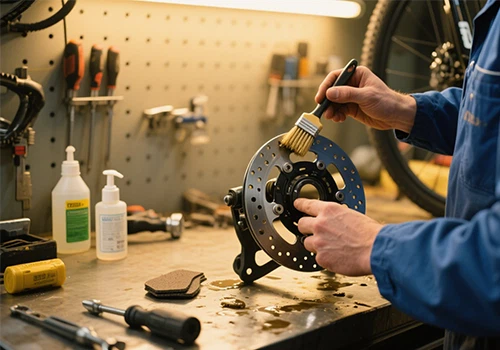
2. Optimize Brake Pads
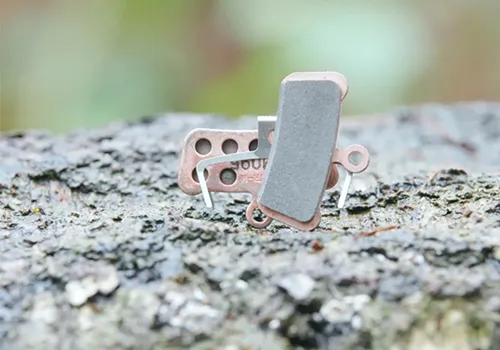
Pad material directly impacts stopping power, heat resistance, and noise. Choose based on your use case:
Resin/organic pads: Offer quiet operation and strong initial bite, ideal for casual riding or cold conditions. Less durable under heavy heat (e.g., long descents).
Sintered/metallic pads: Made of metal particles fused together, they resist heat better (reducing fade) and work well in wet conditions. Suitable for aggressive riding, heavy loads, or steep terrain.
Break-in new pads: New pads and rotors need "bedding in"-apply light, repeated brake pressure over 10–20 minutes to transfer pad material evenly to the rotor, ensuring consistent friction.
3. Upgrade and Maintain Cables and Housing
Cable-driven systems lose efficiency due to friction in cables and housing. Reducing this friction improves responsiveness:
Replace worn cables and housing: Old cables rust or fray, and housing can develop kinks or internal debris. Upgrade to stainless steel cables (resist rust) and lubricated, lined housing (e.g., Teflon-coated inner sleeves) for smoother movement.
Lubricate cables: Apply dry lubricant (e.g., graphite powder) to cables before installing them in housing-avoid wet lubricants (they attract dirt).
Minimize cable bends: Excessively sharp bends in housing increase friction. Route cables as straight as possible.
4. Adjust the Caliper for Proper Alignment
A misaligned caliper causes uneven pad contact, reduced power, and rotor rub.
Center the caliper: Loosen the caliper mounting bolts, squeeze the brake lever to align the pads with the rotor, then retighten the bolts to the manufacturer's torque specification (typically 8–10 Nm).
Set pad clearance: Ensure equal gap between both pads and the rotor (usually 0.5–1 mm) to prevent rubbing while allowing quick engagement. Use the caliper's adjustment screws if available.
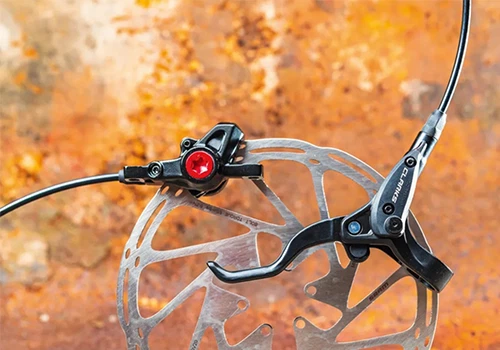
5. Maintain Rotor Condition
A warped, worn, or contaminated rotor undermines performance:
Check for warping: Spin the wheel-if the rotor rubs against the pads intermittently, it's warped. Use a rotor truing tool to gently bend the warped section back to flat.
Replace worn rotors: Rotors have a minimum thickness (marked on the rotor; typically 1.5–1.8 mm). Replace them if worn beyond this limit to avoid overheating or failure.
Avoid overheating: Prolonged heavy braking (e.g., downhill) can cause rotor "glazing" or warping. Use intermittent, light braking to allow cooling, and avoid dragging the brakes.
6. Adjust Brake Levers
Proper lever setup improves control and reduces fatigue:
Adjust reach: Use the lever's reach screw to set the distance from the handlebar to the lever, ensuring you can easily squeeze it with one finger.
Set leverage: Some levers allow adjusting the mechanical advantage (e.g., shorter/longer throw). A shorter throw engages the brakes faster, while a longer throw may feel smoother for heavy braking.
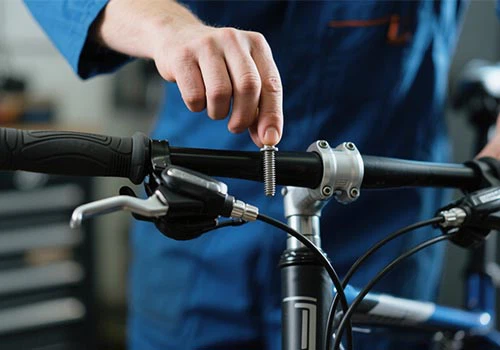
7. Secure All Connections
Loose components cause power loss and instability:
Tighten bolts: Check caliper mounting bolts, cable anchor bolts, and lever hardware. Use a torque wrench to avoid over-tightening (which can damage parts) or under-tightening (which causes slippage).
Inspect cable ends: Ensure cable ferrules (end caps) are intact to prevent fraying, and that the cable is securely clamped in the lever and caliper.
8. Upgrade Key Components (For Significant Gains)
For persistent performance issues, consider these upgrades:
Larger rotors: A 180mm or 203mm rotor (vs. 160mm) increases friction surface area, boosting stopping power-ideal for heavy bikes, cargo, or steep hills.
High-performance calipers: Premium calipers (e.g., from Shimano, SRAM) often have stiffer construction and better pad alignment, reducing flex and improving power transfer.
Compressionless housing: This rigid housing (used in mountain bikes) eliminates "sponginess" by preventing the housing from compressing under load, delivering more direct cable pull.
By combining regular maintenance, proper adjustment, and strategic upgrades, cable-pull disc brakes can achieve near-hydraulic levels of performance in terms of power, modulation, and reliability.


